


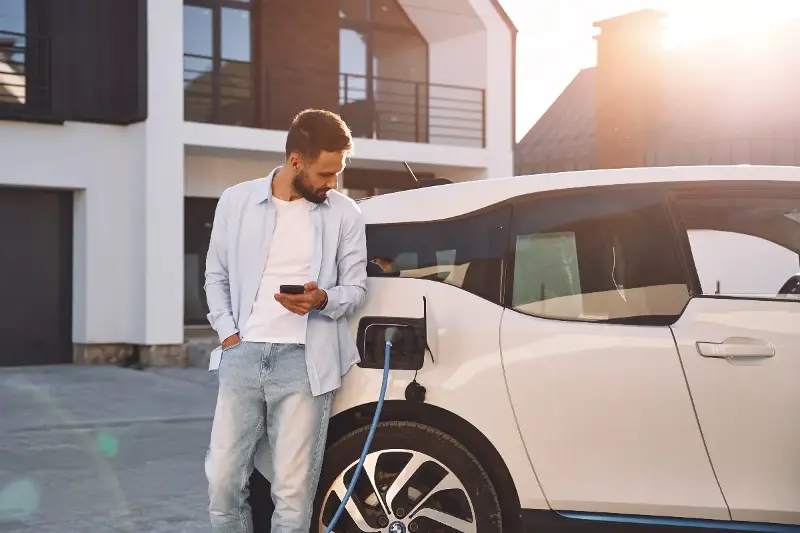
Charging an electric vehicle (EV) at home is one of the most rewarding advantages of EV ownership. Recharging overnight avoids frequent trips to public stations while taking full advantage of cheaper off-peak electricity rates. Yet, a seamless charging experience involves more than just plugging in. Building a safe, efficient setup depends on your electrical system, equipment selection, battery habits, and local guidelines.
A well-planned installation elevates everyday driving convenience, reduces energy costs, and protects your vehicle and home for the long haul.
Choose the Right Charging Level
Electric vehicle charging generally falls into two primary categories for residential setups:
- Level 1 Charging (Standard Household Socket): Operates on standard household power. While convenient for low-mileage drivers—adding roughly 8 to 25 kilometers of range per hour—it requires longer plug-in times.
- Level 2 Charging (Dedicated Home Charger): Uses a higher-voltage dedicated circuit to add approximately 30 to 80 kilometers of range per hour. This makes full overnight recharges simple and reliable.
Selecting an oversized unit can increase setup costs without adding practical value. Check your vehicle manual for its maximum alternating-current (AC) charging capacity before purchasing hardware.
Start with a Professional Electrical Inspection
The most vital safety step is having a qualified electrician evaluate your home prior to installation. EV chargers draw a continuous high load over several hours.
An electrician will ensure your installation is safe and compliant by:
- Evaluating Panel Capacity: Verifying if your main electrical panel has sufficient spare power or needs a capacity upgrade.
- Installing Safety Controls: Setting up dedicated circuit breakers and residual-current protection.
- Selecting Correct Cabling: Sizing wires properly to prevent overheating and nuisance breaker trips.
Never use standard extension cords across driveways or lawns. Domestic extension cables are not engineered for continuous high-current outdoor use and present significant safety hazards.
Use Certified Equipment and Proper Installation
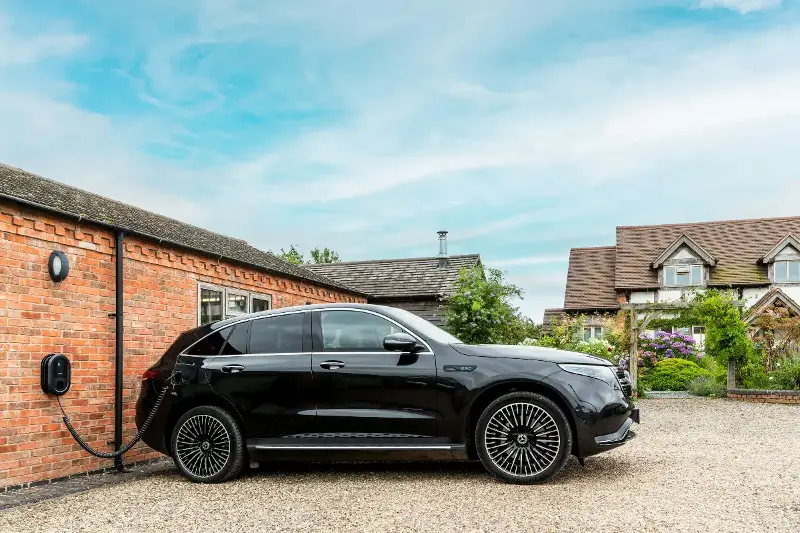
Always select charging hardware certified by recognized safety standards and purchase from reputable manufacturers. High-quality outdoor chargers feature essential weather sealing, thermal monitoring, and fault detection.
Key installation considerations include:
- Strategic Placement: Mount the charger close to the vehicle’s charge port to prevent cable stretching and tripping hazards.
- Cable Management: Use a wall-mounted hook to keep connectors elevated, clean, and dry.
- Access Control: For shared driveways or carports, choose a lockable or app-controlled charger to prevent unauthorized access.
Charge Smarter, Not Just Faster
Energy prices fluctuate throughout the day. Utilizing time-of-use tariffs allows you to schedule charging during off-peak overnight hours when electricity rates drop:
- Automated Scheduling: Set your vehicle or smart charger to initiate charging only during discount rate windows.
- Load Management: Advanced smart chargers dynamically adjust power output to prevent overloading your home when other high-power appliances are running.
- Grid Integration: Some modern chargers align power draw with periods of abundant renewable energy generation.
Protect Battery Health in Everyday Use
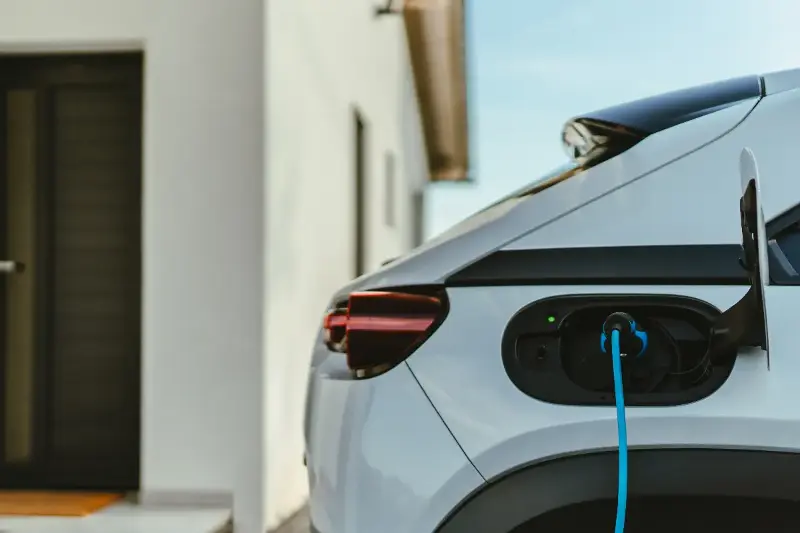
You can easily extend your lithium-ion battery's lifespan by practicing simple daily habits:
- 80% Daily Limit: For routine daily commutes, set your maximum charge target to around 80 percent to minimize battery stress.
- 100% Trip Preparation: Charge to 100 percent right before embarking on long road trips rather than letting the battery sit fully charged for days.
- Climate Management: Utilize scheduled preconditioning while plugged in to warm or cool the cabin using grid power before driving off in extreme weather.
Inspect Cables and Connections Regularly
Maintain your home setup with routine visual checks:
- Inspect Hardware: Look for cracks, bent connector pins, cable wear, or signs of discoloration.
- Monitor Temperatures: Plugs may feel warm during operation, but they should never feel uncomfortably hot or show signs of melting.
- Address Interruptions: If a breaker trips repeatedly, consult an electrician rather than continuously resetting the system.
With certified equipment, professional wiring, and smart energy scheduling, home charging becomes one of the most reliable and convenient parts of modern driving—ensuring your vehicle is energized and ready every morning.