


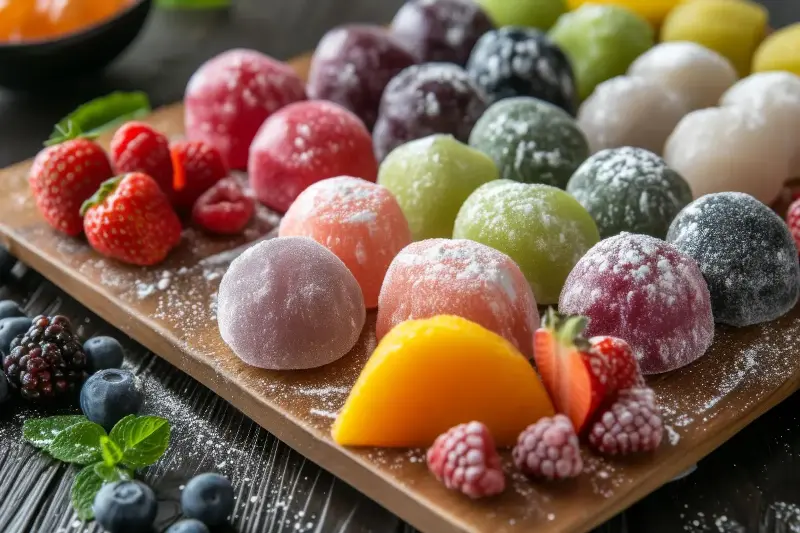
From bustling street stalls in Tokyo to trendy cafes in Paris and New York, mochi has rapidly evolved into a global phenomenon. This humble rice cake, deeply rooted in Japanese culture, has undergone an exciting transformation, bridging the gap between centuries-old tradition and modern culinary trends. But what makes this treat so mesmerizing? Exploring its delicate chew, vibrant flavors, and deep cultural significance reveals exactly why food lovers everywhere cannot get enough of this delightful confection.
A GLIMPSE INTO MOCHI’S STORIED PAST
Mochi’s origins run deep within Japanese history, tracing back over a millennium. Traditionally crafted from glutinous rice, mochi was once an exclusive treat reserved for special occasions and Shinto rituals. The meticulous process of pounding steamed rice with wooden mallets—known as mochitsuki—transformed ordinary grains into an elastic, silky dough.
- Cultural Significance: During New Year celebrations, families would gather to make mochi, viewing it as a symbol of prosperity and good fortune.
- Symbolism: Beyond the New Year, mochi appears in weddings and harvest festivals, with its pillowy texture said to evoke harmony and unity within the community.
- Folklore: Its prominence is so established that even ancient art depicts the mythical moon rabbit pounding mochi on the lunar surface.
FROM CLASSIC TO CONTEMPORARY: THE CREATIVE EVOLUTION
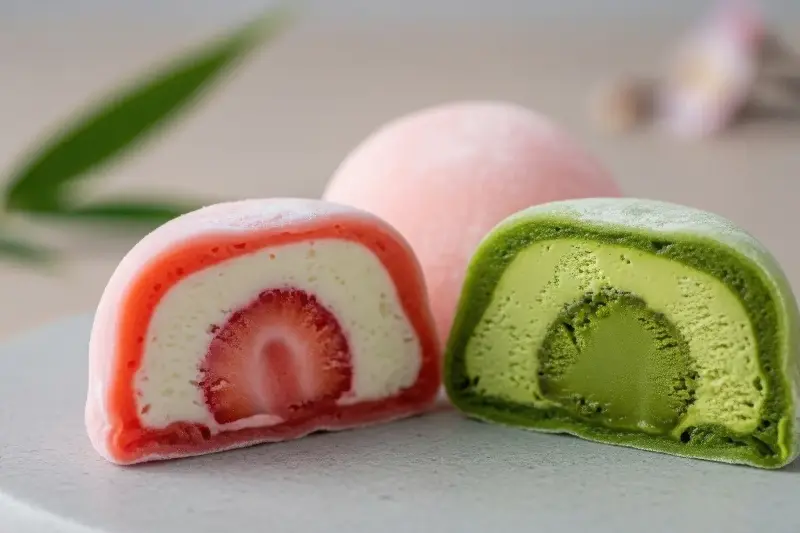
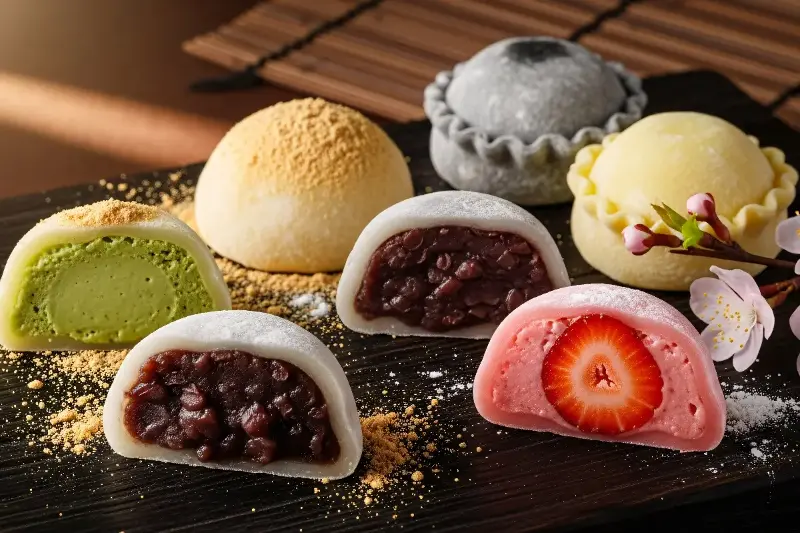
While traditional mochi relies on rice and is often filled with sweetened red bean paste, modern variations have taken the world on a flavorful ride. In Japan, it evolved into creative forms like daifuku with fresh strawberry centers or sakura mochi wrapped in cherry leaves.
The most groundbreaking adaptation, however, is mochi ice cream. Invented in the 1980s, this treat envelops creamy, cold centers in soft rice dough, providing an unexpected and satisfying contrast in temperature. This inventive spirit has crossed borders, leading to:
- Global Flavors: Matcha, mango, chocolate, and black sesame fillings.
- Fusion Creations: Cafes now serve mochi waffles, pancakes, and even donuts, blending Japanese tradition with Western indulgence.
- Accessibility: With supermarket freezers worldwide now stocked with these treats, enjoying mochi has never been easier.
THE MAGIC OF MOCHI’S TEXTURE
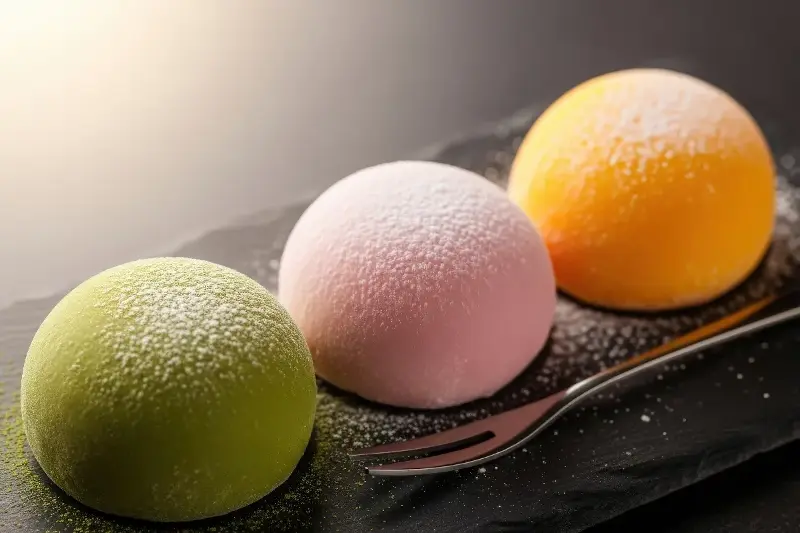
What truly captivates the adventurous palate is the unmistakable chewiness, known as mochi mochi in Japanese. Unlike anything else in the dessert world, its elastic stretch—achieved by painstakingly pounding rice—delivers a mouthfeel that is both comforting and intriguing. This bouncy, yielding texture is often described as a cross between a marshmallow and a delicate pastry, possessing a charm entirely its own. Food scientists are frequently fascinated by how the glutinous structure traps air and moisture, offering a unique sensory interplay that brings people back for seconds.
A VISUAL AND SOCIAL MEDIA SENSATION
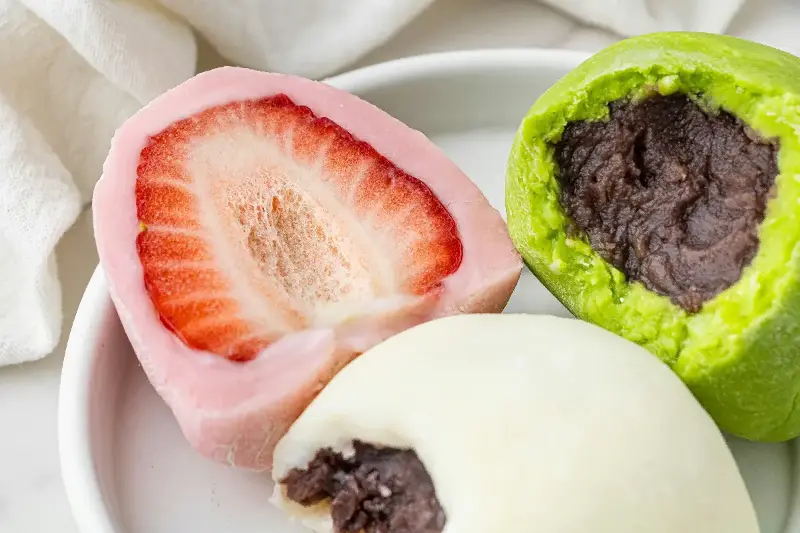
Mochi’s aesthetic appeal is a major driver of its modern success. Chefs and bakers dye the dough in soft, pastel pinks, greens, and yellows, often dusting it with fine starch for a cloudlike appearance.
- Social Media Star: On platforms like Instagram and TikTok, videos of mochi stretching or being delicately assembled rack up millions of views.
- Culinary Intrigue: The sight of a vibrant, colorful core revealed inside a soft exterior creates instant appeal for a digital generation eager to discover the "next big thing" in desserts.
HEALTH AND ALLERGEN-FRIENDLY APPEAL
A quiet secret to mochi’s success is its reputation as a lighter dessert option. Because traditional mochi uses sweet rice, it is naturally wheat-free, making it an excellent choice for those with gluten sensitivities. Many varieties are also vegan-friendly, relying on plant-based ingredients without sacrificing texture. Furthermore, mochi is often less intensely sugary than many traditional Western desserts, appealing to those seeking a treat that balances indulgence with moderation.
TRADITION, TREND, AND THE FUTURE OF MOCHI
From ancient rituals to bustling global food scenes, mochi’s journey is a perfect fusion of culture and creativity. Its enduring popularity lies in the harmony of honoring history while embracing new, global tastes. For food lovers everywhere, the joy is found in every delightful chew and each new flavor discovery. As it continues to inspire, one thing is certain: this humble rice cake is a permanent fixture on the global stage, serving as a delicious bridge connecting cultures across the world.